Category: 📂 Weird History / World War II / Military Anomalies
When the massive Soviet Red Army crossed the Finnish border on November 30, 1939, Soviet leaders in Moscow expected a quick, bloodless victory. Joseph Stalin’s generals confidently predicted that the entire country of Finland would fall within two short weeks. On paper, it looked like an absolute slaughter: the Soviet Union had over four times the population, a massive advantage in airplanes, and thousands of heavy tanks, while the Finnish army was critically low on ammunition, lacked functional anti-tank weapons, and didn't even have official uniforms for all its recruits. Yet, what followed was one of the most astonishing military defense operations in modern human history. Deep inside the freezing, snow-covered forests of the Arctic, a small, highly disciplined nation of skiers weaponized sub-zero temperatures, invented the Molotov cocktail, and turned the dense wilderness into a massive, frostbitten graveyard for half a million Soviet invaders.
The Winter War: Sisu vs. The Soviet Juggernaut
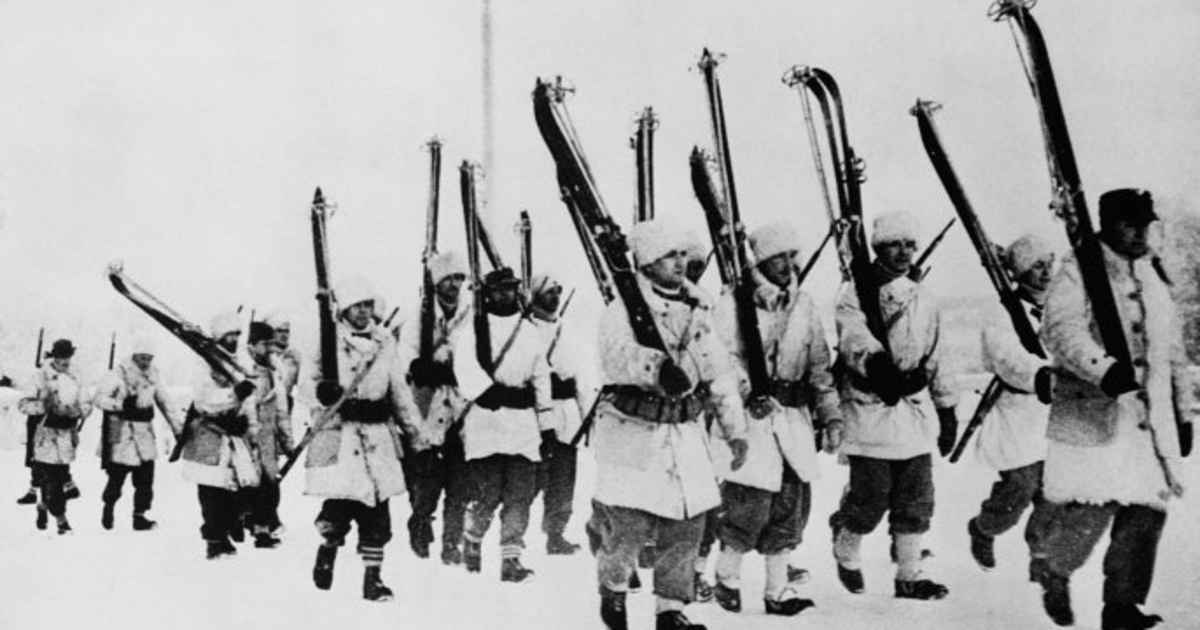
The conflict erupted as part of a secret political agreement between Nazi Germany and the Soviet Union, which placed Finland inside the Soviet sphere of influence. When Finland refused Stalin’s aggressive demands to cede territorial borders and strategic islands, the Red Army launched a massive assault along the 800-mile border. This opening conflict became known as the Winter War (*Talvisota*).
But the Soviets made a critical strategic error: they attacked during one of the coldest northern winters of the 20th century, with temperatures regularly dropping below minus 40 degrees. The Red Army soldiers, many of whom were drafted from warm southern regions, arrived in thin, dark green uniforms that stood out like giant targets against the bright, endless snow. Even worse, Soviet military vehicles were forced to keep their engines running constantly to prevent the fuel from freezing solid, exposing their exact positions to Finnish scouts. The Finns possessed a cultural trait known as *sisu*—a unique form of stoic, stubborn, and unbreakable psychological resilience. Instead of panicking, they utilized their deep knowledge of the Arctic terrain to turn the freezing weather into their primary defensive asset.
The Ghost Snipers and the Legend of the "White Death"
The dense forests of Finland quickly became a terrifying, psychological horror movie for the invading Soviet troops. Finnish soldiers did not fight in traditional, slow-moving infantry lines. Instead, they moved like silent phantoms on cross-country skis, gliding gracefully through deep snowdrifts at high speeds, launching lethal ambush strikes, and vanishing back into the trees before the enemy could even rotate their heavy artillery.
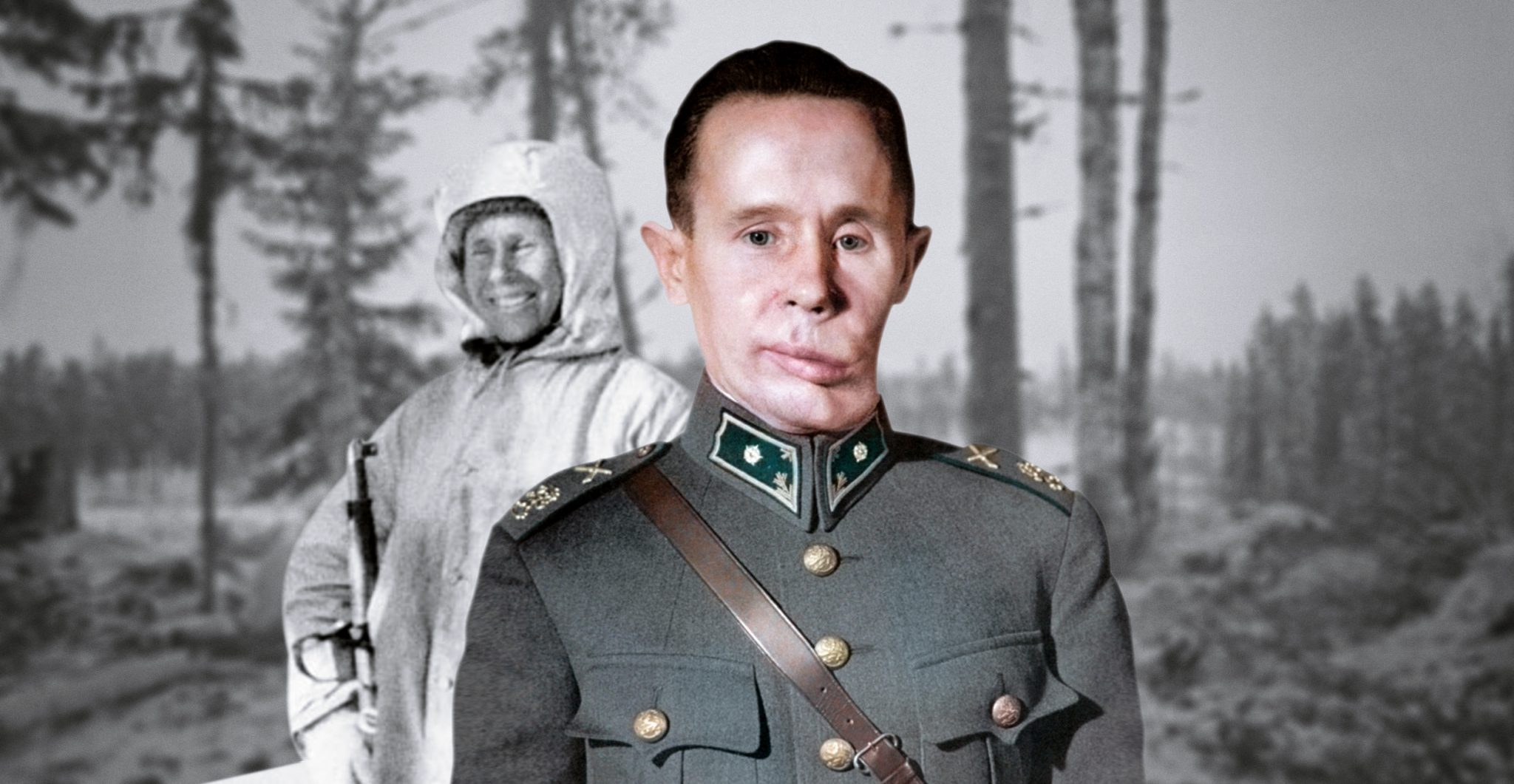
The most terrifying element of this invisible guerrilla warfare was the Finnish snipers, led by a humble, diminutive farmer named Simo Häyhä. Dressed in a plain white hood and using a basic, iron-sighted bolt-action rifle, Häyhä spent over 100 days hiding in snowbanks, chewing on ice to prevent his breath from creating steam, and picking off Soviet officers one by one. The Soviets were so paralyzed by fear that they nicknamed him the "White Death." Before a stray explosive bullet severely wounded his face at the end of the war, Häyhä had racked up over 500 confirmed kills—making him the most lethal and successful sniper in the entire history of global warfare.
Motti Tactics: How to Slice a Giant Army into Pieces
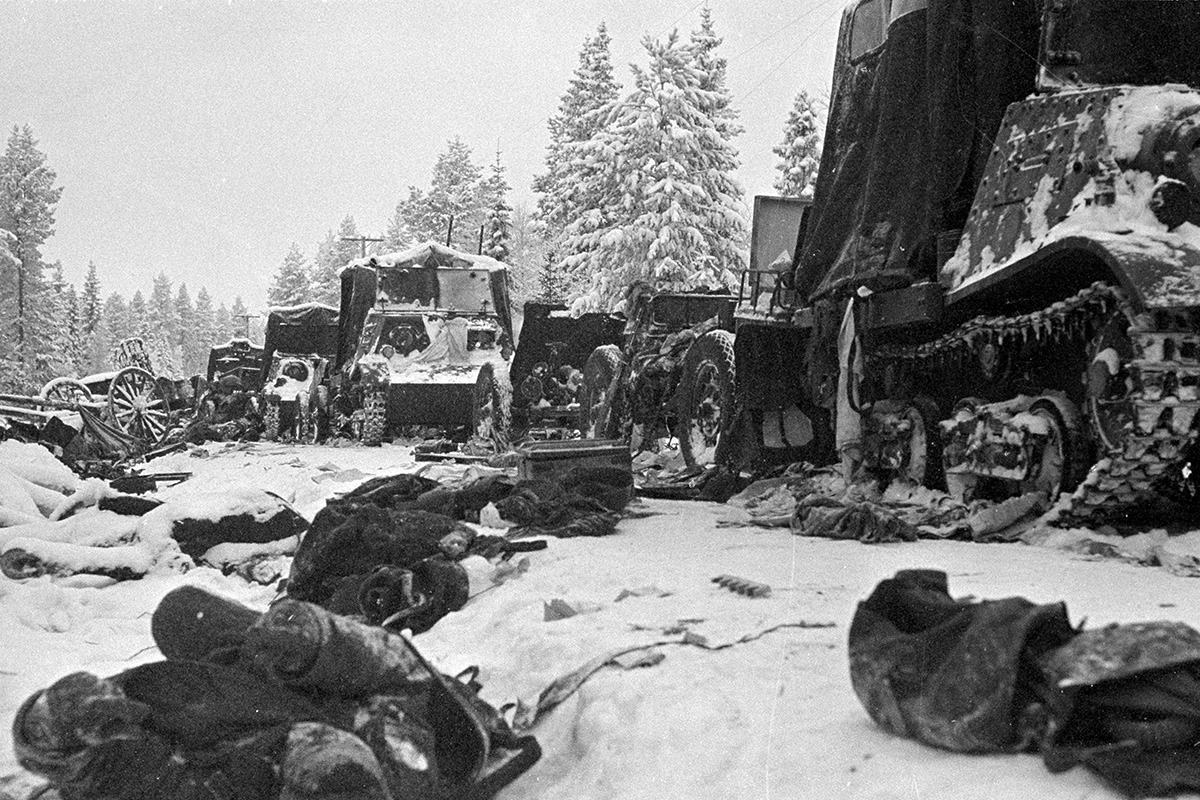
On a strategic level, the Finnish military developed a brilliant tactical system known as *motti* warfare. When a massive, heavily armored Soviet column advanced down a narrow, isolated forest road, hidden Finnish ski units would deliberately avoid a head-on collision. Instead, they would strike the very front and the far rear of the column, blocking the road with felled trees and trapping hundreds of heavy vehicles in a confined space.
Once the column was immobilized, the Finns would attack from the flanks, slicing the long snake-like line into small, isolated pockets (*mottis*). Cut off from their supply chains, communication networks, and food resources, the trapped Soviet soldiers were left to slowly freeze to death or starve in the dark woods. Finnish ski patrols would systematically eliminate these pockets one by one during the night, utilizing improvised explosive bottles filled with alcohol, kerosene, and tar. The Finns mockingly named these fiery glass weapons "Molotov cocktails"—a sarcastic tribute to Vyacheslav Molotov, the Soviet Foreign Minister who claimed that Soviet bombers were dropping food baskets rather than lethal explosives on Finnish civilians.
The Heavy Price of Independence and the Continuation War
Despite their superhuman defiance, the sheer weight of Soviet numbers eventually forced Finland to sign a painful peace treaty in March 1940. The country lost about 11 percent of its pre-war territory, including their historic city of Vyborg. However, they accomplished the impossible: they preserved their national sovereignty, kept their democratic institutions fully intact, and completely avoided the brutal Soviet occupation that destroyed the Baltic states.
Determined to reclaim their lost ancestral lands, Finland made a highly controversial tactical alliance with Nazi Germany when Hitler invaded the USSR in 1941. This second phase, known as the Continuation War (*Jatkosota*), saw Finnish forces advance back to their old borders. However, as the tide of World War II shifted against Germany, Finland fought off yet another colossal Soviet counter-offensive in 1944. Through sheer grit, tactical brilliance, and unparalleled battlefield adaptation, Finland ended World War II as the only European country bordering the Soviet Union to successfully maintain its freedom, proving that a small nation armed with raw courage and smart tactics can withstand the world's most powerful empires.
Sources
- Wikipedia — The Winter War: Military Defiance, Camouflage, and Tactics
- Encyclopedia Britannica — The Russo-Finnish War of 1939–1940
- The National WWII Museum — The Story of Simo Häyhä and the Arctic Defense
- YouTube — Watch the Full Tactical Breakdown of the Winter War on Our Channel
💬 Comments