Category: 📂 World History / Cold War / Hidden Heroes
This is the unbelievable true story of a man who became a literal shield between humanity and a total nuclear apocalypse! Vasily Aleksandrovich Arkhipov holds the historic, though long-silent, credit for making the most important decision in modern history. During the Cuban Missile Crisis in October 1962, this calm Soviet naval officer single-handedly prevented the launch of a nuclear torpedo that could have triggered World War III. While the world held its breath, completely unaware that the fate of the planet was being decided in the suffocating, overheating hull of a single submarine, Arkhipov kept a cool head. Watch until the end for a crazy teaser about tomorrow's video! Would you have the courage to stand against orders while everyone around you is panicking?

Submarine B-59 and the Hell at the Bottom of the Atlantic
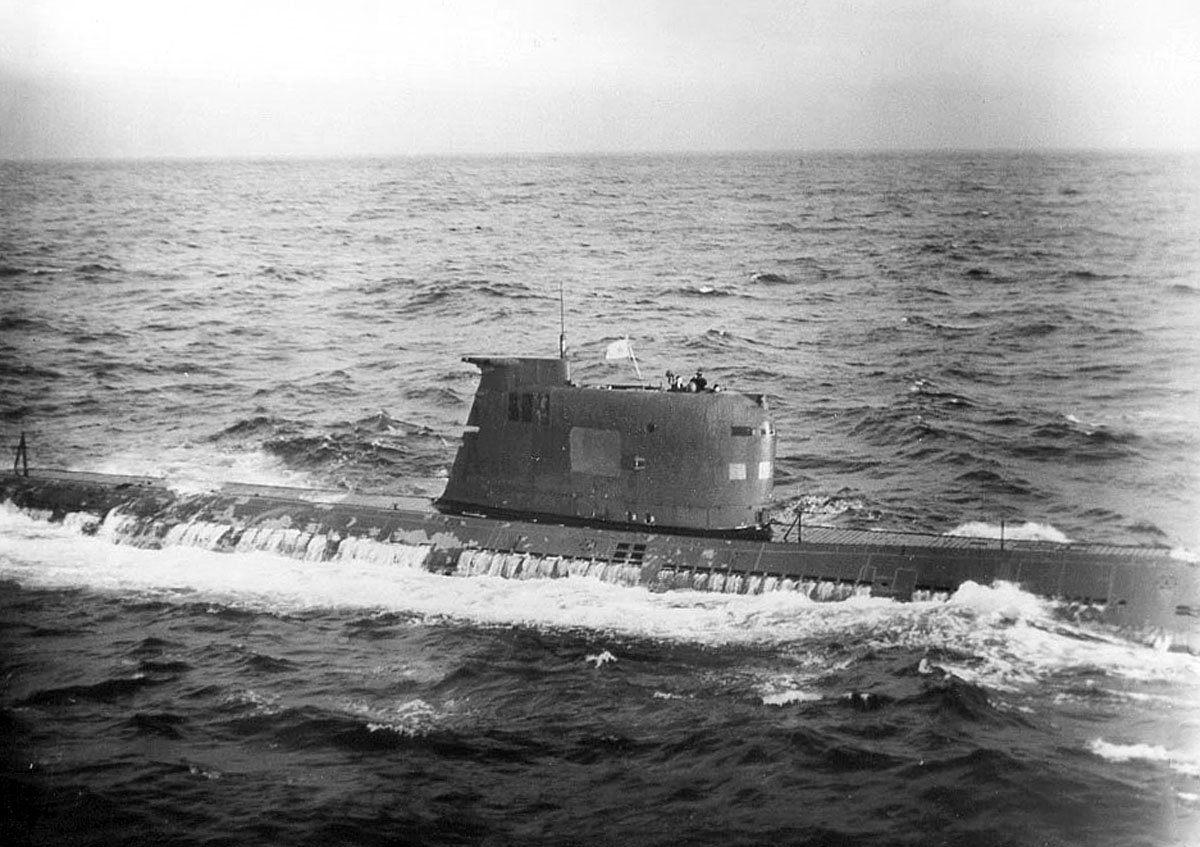
On October 27, 1962, the Cuban Missile Crisis reached its absolute climax. While President John F. Kennedy and Premier Nikita Khrushchev engaged in tense diplomatic negotiations on the surface, a drama was unfolding in the dark depths of the Sargasso Sea that could have rendered all diplomatic efforts meaningless. The Soviet diesel submarine B-59 was surrounded by the U.S. Navy, which was enforcing a strict maritime blockade around Cuba.
American destroyers began dropping signaling depth charges to force the unidentified submarine to surface. Although these charges were not designed to destroy the vessel, the situation inside the Soviet submarine B-59 looked catastrophic. The air conditioning systems had failed, the temperature inside the hull skyrocketed past 50 degrees Celsius (122°F), and oxygen levels were dropping drastically. The crew was on the verge of physical and psychological collapse, completely cut off from the outside world and without any contact with Moscow for days.
Three Keys to a Nuclear Armageddon
The submarine's captain, Valentin Savitsky, became convinced that World War III had already begun on the surface. Exhausted, disoriented, and assuming his submarine was under a hostile attack that would soon destroy them, Savitsky made a radical decision: he ordered the preparation and launch of a special tactical torpedo equipped with an 11-kiloton nuclear warhead (the equivalent of the bomb dropped on Hiroshima).
According to strict Soviet military protocol, launching such a devastating weapon from a submarine required the unanimous agreement of three key officers on board. Captain Valentin Savitsky gave his approval. Political Officer Ivan Maslenikov also supported the decision, believing that defending the honor of the Soviet flag in a state of war was the priority. The fate of billions of people, and the survival of cities like Washington, Moscow, and London, hung by a thread and depended on just one man—Vasily Arkhipov.
The Seconds That Changed History
Arkhipov was not just any ordinary officer; he was the commander of the entire submarine flotilla traveling to Cuba, meaning his authority was equal to the captain's. Amidst the suffocating smoke, blaring alarms, and the panic paralyzing the crew, Arkhipov remained astonishingly composed. He argued that the American forces were not trying to destroy the submarine, but were intentionally dropping practice depth charges to signal their intent and force them to surface. He maintained that firing a nuclear torpedo without a direct command from Moscow would be an unpardonable act of aggression that would automatically doom the entire world.
A fierce verbal argument ensued in the cramped command center. Savitsky insisted on the attack, accusing Arkhipov of cowardice, but Arkhipov stood his ground. Using his reputation as a hero (who had prevented a nuclear reactor meltdown on the notorious K-19 submarine a year earlier), he managed to calm the captain down and convince him to make the only right choice—the launch order was rescinded, and the submarine surfaced to establish contact and peacefully retreat.
The Legacy of a Hidden Hero
Vasily Arkhipov passed away in 1998 at the age of 72, due to radiation sickness suffered during his earlier career. The details of just how close the world came to nuclear destruction remained a closely guarded secret until 2002, when historical documents were finally declassified at a conference in Havana. Thomas Blanton, the director of the U.S. National Security Archive at the time, stated a sentence that best describes the event: "A guy called Vasily Arkhipov saved the world."
Arkhipov's life and his legendary decision serve as a stark reminder of how much peace on Earth depends on individual moral strength and the ability to recognize humanity even in moments of extreme military and political madness. As we remember the heroes of history, the name of this Soviet sailor must remain written in gold letters as a symbol of the triumph of reason over total destruction.
Sources
- Wikipedia — Vasily Arkhipov: The Man Who Saved the World
- The Guardian — Soviet Submarine Officer Who Averted Nuclear War Awarded Prize
- National Security Archive (GWU) — Soviet Submarines and Nuclear Torpedoes in the Cuban Missile Crisis
- National Security Archive B-59 Database — The Underwater Cuban Missile Crisis: Soviet Submarines
💬 Comments