Category: 📂 Weird History / Medical Mysteries / Historical Anomalies
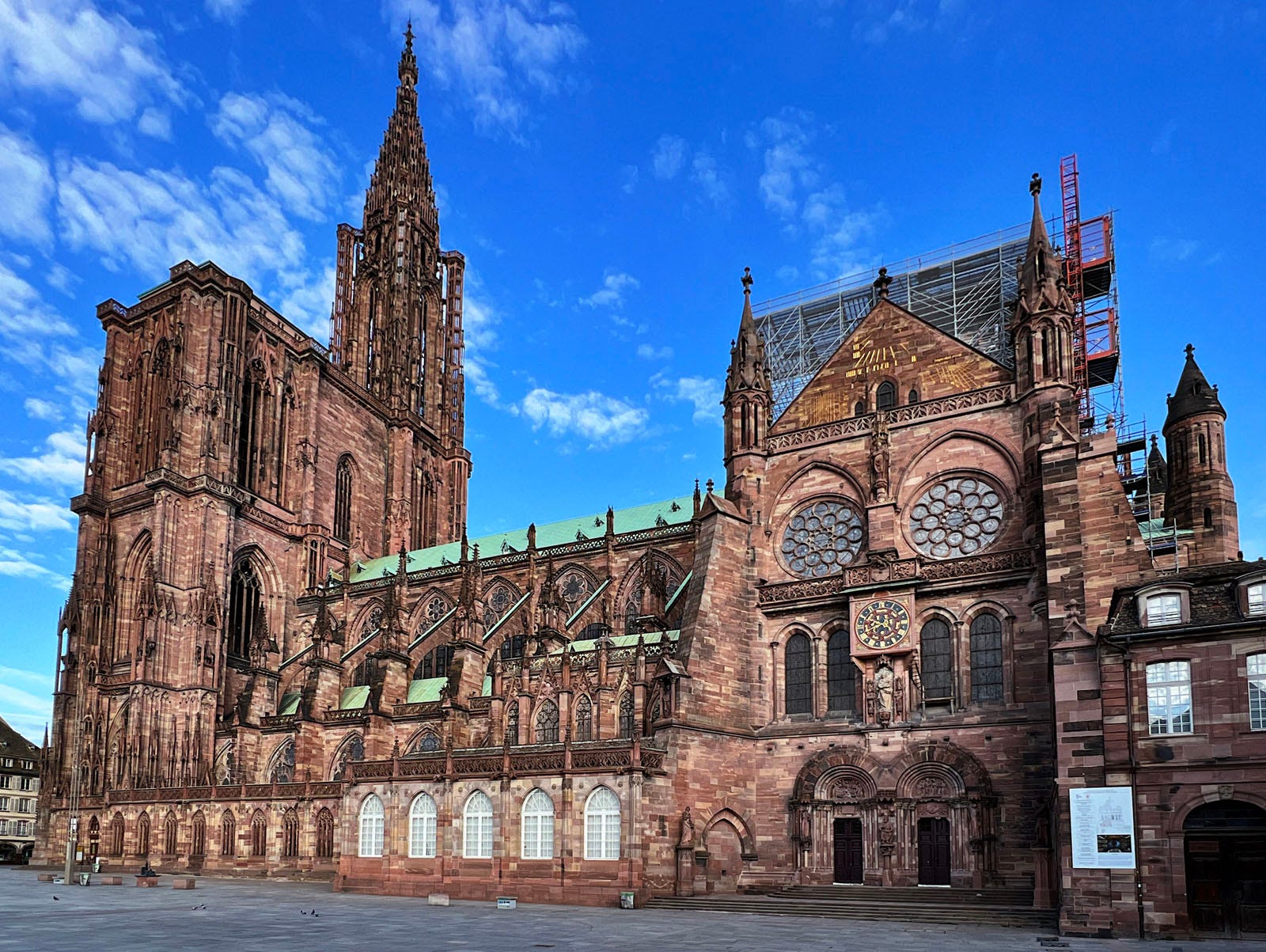
Imagine walking down a bustling, cobblestone street in medieval Europe, only to find a woman frantically dancing in the middle of a public square. She isn’t smiling, there is no music playing, and her eyes are wide with sheer terror. Yet, she cannot stop. Within days, dozens of people join her, twisting and leaping in agony until their feet bleed and they collapse from sheer exhaustion. This isn't a scene from a psychological horror movie—it is a thoroughly documented, terrifying historical fact. In the summer of 1518, the city of Strasbourg was struck by a bizarre and deadly phenomenon known as the Dancing Plague. For centuries, this event has baffled scientists, historians, and doctors alike. How did a single community suddenly lose complete control over their own bodies?

How Frau Troffea Sparked a Deadly Epidemic
The nightmare began quite suddenly in July 1518. A woman named Frau Troffea stepped out of her home into a narrow street in Strasbourg and began to dance fervently. There was absolutely no rhythm, purpose, or musical accompaniment to her movements. Her husband begged her to stop, but she ignored his pleas, dancing continuously through the day and well into the dark night. Even when sleep finally claimed her from pure physical exhaustion, she woke up the next morning with her shoes soaked in blood and immediately resumed her manic routine.
What makes this historical event truly shocking is how quickly this strange behavior spread. Within a single week, more than thirty people had joined Frau Troffea in her endless, grueling performance. By August, the numbers had skyrocketed. Nearly 400 citizens—mostly women, but eventually men and children as well—were spinning, jumping, and convulsing through the city squares. The local markets ground to a complete halt, and the regular rhythms of medieval city life were entirely replaced by the haunting sight of hundreds of people trapped in a biological loop they could not break.
The Fatal Mistake of the Medieval Authorities
As the body count began to rise due to the intense summer heat, local authorities and physicians grew deeply desperate. The afflicted citizens were suffering terribly; they were screaming for mercy, begging for help, and expressing profound fear, yet their limbs continued to move as if controlled by an invisible puppeteer. Strasbourg's finest medical minds were called in to diagnose the crisis. They ruled out astrological or supernatural causes, concluding instead that the plague was a natural medical illness caused by "hot blood" in the brain.
However, the treatment prescribed by the city council turned out to be a fatal mistake. Believing that the only way to cure the dancers was to let them "dance it out of their systems," the authorities actively encouraged the behavior. They cleared out large public spaces, opened up the main guild halls, and even constructed a massive wooden stage in the center of the city. To make matters worse, they hired professional musicians with pipes and drums to keep the rhythm going, alongside strong security guards to hold up the dancers when they started to faint. This continuous musical stimulation turned a localized medical crisis into a full-scale death trap. Exhausted hearts gave out, strokes multiplied under the scorching sun, and at its absolute peak, it is recorded that up to fifteen people were dying every single day.
Mass Hysteria or Biological Poisoning?
For centuries, modern science has tried to dissect the true cause behind the Dancing Plague of 1518. Over the years, two primary competing theories have emerged to explain the madness. The first major biological theory points to ergot poisoning. Ergot is a parasitic fungus that grows on damp rye, which was the primary ingredient used to bake bread for the poor in medieval Europe. When consumed, ergot contains psychoactive alkaloids closely related to modern LSD. Ergotism can cause severe muscle spasms, tremors, and intense hallucinations. However, many historians reject this theory because ergotism typically cuts off blood circulation to the limbs, making it physically impossible for someone to dance continuously for days on end.
The second, and widely accepted theory among modern researchers, is mass psychogenic illness—more commonly known as mass hysteria. The year 1518 was a time of extreme misery, terror, and despair for the people of Strasbourg. The region was suffering from devastating crop failures, severe famine, and a terrifying outbreak of deadly diseases like syphilis and smallpox. On top of that, medieval superstitions ran rampant. The local populace genuinely believed in a curse associated with Saint Vitus, a Christian martyr who possessed the power to strike sinners with an uncontrollable dancing plague. Under such crushing psychological stress, a single instance of a breakdown—like Frau Troffea’s—likely triggered a massive, collective psychological panic attack that rippled through the highly stressed community.
How the Madness Finally Came to an End
Realizing that their musical stages and encouragement had only caused more death, the Strasbourg authorities drastically changed their strategy. They banned all public dancing, music, and festivities across the city. Those who were actively afflicted by the strange condition were forcibly bundled into carts and transported to a nearby mountain shrine dedicated to Saint Vitus.
At the shrine, the exhausted, bloody survivors were given small red shoes blessed with holy oil and led in religious ceremonies. Miraculously, within a few weeks, the intense psychological trance finally broke. The frantic movements slowed down, the muscle spasms ceased, and the epidemic vanished just as mysteriously as it had arrived. The Dancing Plague of 1518 remains one of the most chilling reminders in human history of the sheer power of the human mind, proving that under enough pressure and psychological trauma, our minds can completely override our bodies and push us over the brink of survival.

Sources
- Wikipedia — The Dancing Plague of 1518: Detailed Chronology and Effects
- BBC Future — The Places in Medieval Europe Where People Literally Danced to Death
- National Institutes of Health (NIH) — A Forgotten Epidemic of Mass Psychogenic Illness
💬 Comments